The Store Pillar
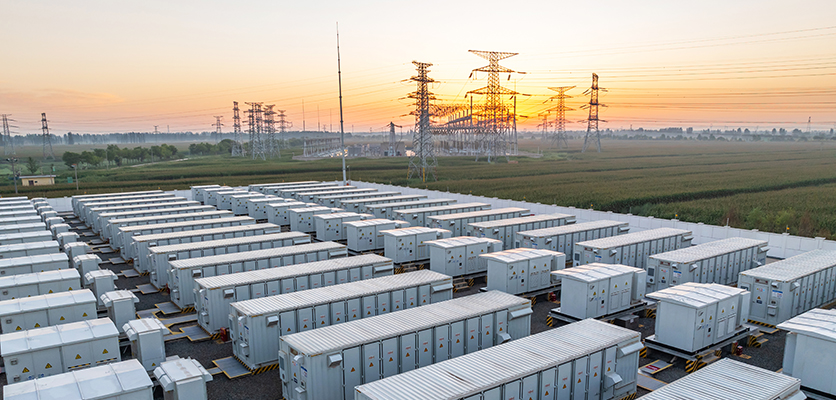
Delivering energy storage solutions
Energy storage is the foundational architecture needed to fully transition to a clean, reliable, modern energy economy in both electricity generation and transportation. Clean energy sources such as solar and wind are intermittent, meaning power output varies with environmental conditions. Advanced storage systems provide a solution. They capture excess energy during peak production and release it when needed. Better storage systems can reduce the need for polluting fossil-fuel backup plants, improve reliability during natural disasters, enable next-generation electric vehicles, and lower consumer costs. Behind-the-meter storage systems and microgrids can also help manage the growing energy demands of proliferating data centers. Through the Store Pillar, the Trienens Institute is improving on existing storage technologies, developing new technology, and engaging government and industry partners to scale storage solutions.
Research priorities
The Trienens Institute is collaborating with Midwest and national partners to accelerate discovery and scale energy storage solutions. Researchers in the Store Pillar aim to develop new materials and scalable manufacturing processes that enable grid and electric vehicle energy storage devices at a target cell price of $10 per kilowatt-hour. They are working to design better materials and find cleaner ways to manufacture and recycle batteries.
Designing better battery materials
Several research efforts focus on designing materials to unlock a new generation of environmentally sustainable, safe, and efficient energy storage systems.
- Reducing material costs: Researchers are developing organic materials to improve redox-flow battery technology. These batteries can be manufactured using inexpensive, abundant elements such as carbon, hydrogen, and nitrogen rather than rare metals, enabling lower-cost grid-level storage solutions. Researchers also aim to build heavy-duty components from abundant, inexpensive ingredients like iron instead of relying on scarce, expensive critical minerals.
- Enabling flexible electronics: Investigators are modifying ultra-thin materials with hydrogen peroxide to create microscopic holes, which helps energy move faster and allows batteries to bend easily for wearable devices on the skin.
- Extending battery life: Efforts to extend battery life include designing tough, jelly-like materials to block "dendrites"—microscopic, needle-like metallic spikes that grow inside batteries during charging and cause them to fail.
- Improving safety: To create safer, more efficient lithium batteries, researchers are developing flame-retardant separator components using a magnesium hydroxide compound similar to milk of magnesia.
Sustainable and safe battery production and recycling
Research teams are working on several fronts to make battery production and recycling safer, cleaner, and more economical.
- Eliminating toxic solvents: Conventional “wet” battery manufacturing requires mixing active materials with toxic chemical solvents to create a slurry used to coat metal foil, which is then dried in massive ovens. Researchers in the Store Pillar are developing "dry" manufacturing methods that involve blending dry powders instead. They aim to advance dry battery electrode manufacturing to reduce costs, eliminate highly toxic chemicals, and produce high-performance, long-lasting batteries.
- Upcycling old batteries into steel: Researchers are creating a process that uses clean hydrogen gas to melt down old, dead batteries to produce high-quality alloy steel, bypassing expensive purification steps.
- Overcoming economic barriers to battery recycling: Investigators are studying the costs of recycling common, cheaper battery types (like the ones used in newer EVs) and developing strategies to make the recycling process environmentally sustainable and cost-effective.
Core faculty
- Mark Hersam, PhD, Store co-chair
- Jeffrey Lopez, PhD, Store co-chair
- Jiantao Li, PhD, Store research faculty
- Jeff Richards, PhD, Emerging Affiliates Program lead
Get involved
Individuals and companies can support the development of next-generation energy storage solutions by making a gift to the Trienens Institute. Industry professionals and other leaders can have a broader impact through the Trienens Institute Executive Council and Industry Affiliates Program.